
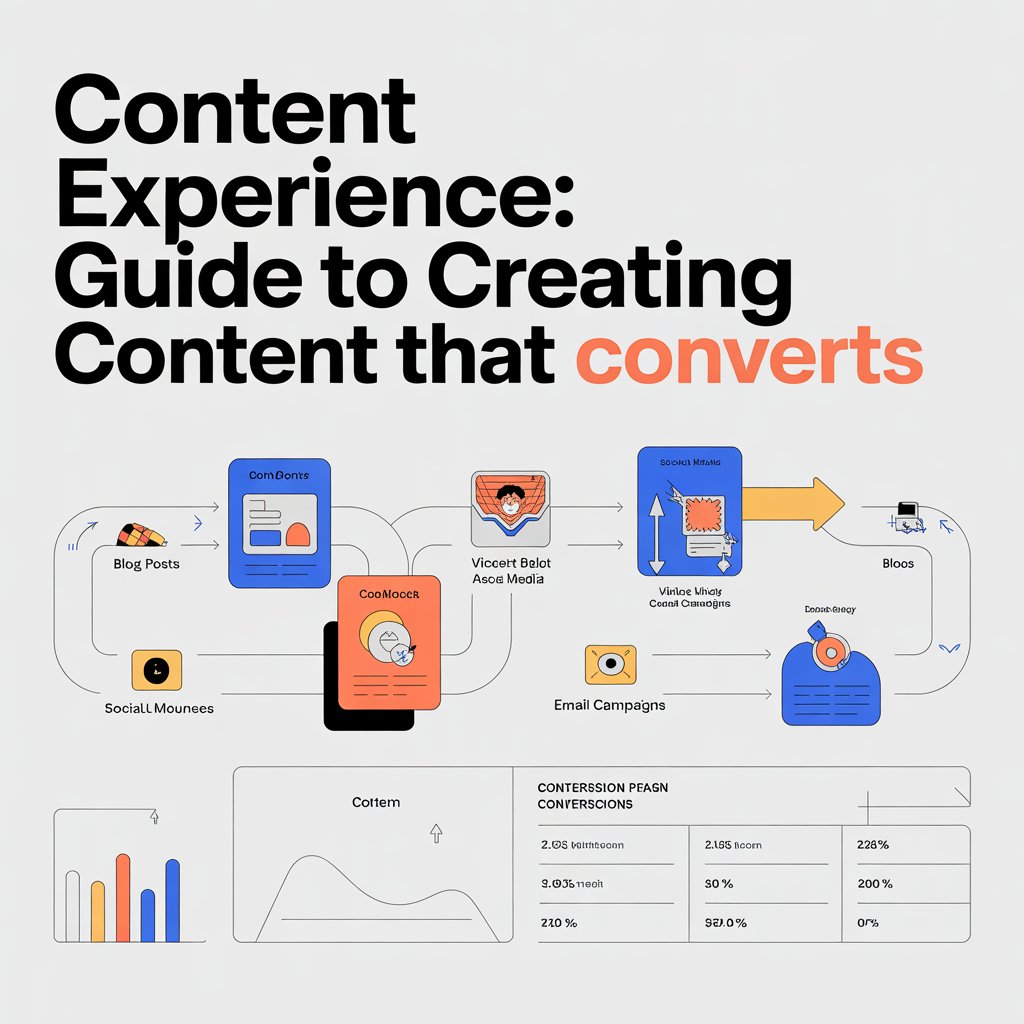
In today’s digital world, businesses are no longer judged only by the information they provide—but by the overall experience they create through that content. A strong Content Experience shapes how users feel, interact, and respond to your message. Whether your audience is domestic or international, the goal remains the same: deliver value with clarity and guide people toward taking meaningful action.
A well-built Content Experience ensures that every piece of content is structured, engaging, and optimized for search engines and humans alike. This is the foundation of Content That Converts and transforms casual visitors into active customers.
Users today expect more than information—they expect simplicity, relevance, and trust. A powerful Content Experience does exactly that by combining design, storytelling, SEO, and user psychology.
It helps you:
For a global audience, a seamless experience ensures your message is easily understood regardless of region, language, or platform.
Creating strong digital content goes beyond writing. It requires structure, flow, and strategy. Here are the essential components:
A good Content Experience organizes information with logical sections, short paragraphs, and strategic headings. This improves readability for both domestic and international readers.
Every user comes with a purpose. Addressing that purpose enhances Content That Converts because it speaks directly to what the audience is searching for.
Images, charts, CTAs, and layout spacing influence whether users stay or leave. These non-text elements support the overall Content Experience.
Your content must reflect experience, expertise, and trust.
Examples include:
These trust elements reinforce Conversion-Focused Content Strategy.
To transform content into conversions, you must understand the user journey and remove friction. Here’s how:
High-performing content anticipates questions before they’re asked. This improves Google’s AEO (Answer Engine Optimization) and supports Content That Converts.
The opening sentences should tell readers exactly what value they will get. This is key to an effective Content Experience.
For global audiences, avoid complex jargon unless necessary. Simple language ensures that your message is universally understood.
Guiding the reader is part of a Conversion-Focused Content Strategy:
Search engines reward natural language, topical relevance, and helpful content.
Your Content Experience must include:
A Conversion-Focused Content Strategy means shaping your content around user actions—not just traffic. It includes:
Awareness → Interest → Decision → Action
Your content needs to match each stage.
Emotions drive decisions, while logic justifies them. Combining both supports Content That Converts.
Top-of-funnel content builds connection, mid-funnel content educates, and bottom-funnel content persuades. Every stage contributes to the overall Content Experience.
Improving Global Content Experience for Domestic and International Audiences
Avoid region-specific slang unless necessary.
Most users worldwide consume content via smartphones—your Content Experience must reflect that.
Clear visuals, simple examples, and universal references ensure no user feels disconnected.
A strong Content Experience is not just about what you say—it’s about how your audience feels while consuming your content. By combining clarity, structure, intentional design, trust elements, and a Conversion-Focused Content Strategy, you create Content That Converts consistently and effectively.
Great content attracts. Exceptional content converts.
Your strategy determines which one you achieve.

Communicate with our experts to bring out better solutions to your problem.
 +91 6282249224
This will close in 0 seconds


